Introduction
Coconut exporter in India businesses are playing a vital role in meeting the growing global demand for fresh coconuts, coconut products, and value-added coconut derivatives. As consumers increasingly seek natural, healthy, and sustainable food products, the international coconut trade has expanded significantly across food processing, cosmetics, pharmaceuticals, and industrial sectors.
The global coconut export industry has evolved into a multi-billion-dollar market supported by strong agricultural production, efficient logistics networks, and rising demand from North America, Europe, the Middle East, and Asia-Pacific regions. Today, businesses involved in coconut supply, coconut wholesale, and international trade are finding new opportunities to expand their reach and establish long-term partnerships with global buyers.
Whether you are a manufacturer, distributor, importer, or entrepreneur looking to enter the coconut trade, understanding market trends, supply chains, export regulations, and sourcing strategies is essential for success.
Coconut Exporter in India
India is one of the world’s leading coconut-producing countries and has established itself as a trusted source of high-quality coconuts and coconut-based products. A professional coconut exporter in India serves domestic growers and international buyers by ensuring consistent quality, competitive pricing, regulatory compliance, and reliable logistics.
The southern states of Tamil Nadu, Karnataka, Kerala, and Andhra Pradesh contribute significantly to India’s coconut production. These regions offer favorable climatic conditions that support year-round cultivation and stable supply volumes. As a result, Indian exporters are able to fulfill large-scale international orders while maintaining quality standards.
Modern coconut exporters in India typically provide:
- Fresh Mature Coconuts
- Semi-Husked Coconuts
- Fully Husked Coconuts
- Tender Coconuts
- Coconut Copra
- Desiccated Coconut
- Coconut Oil
- Coconut Shell Products
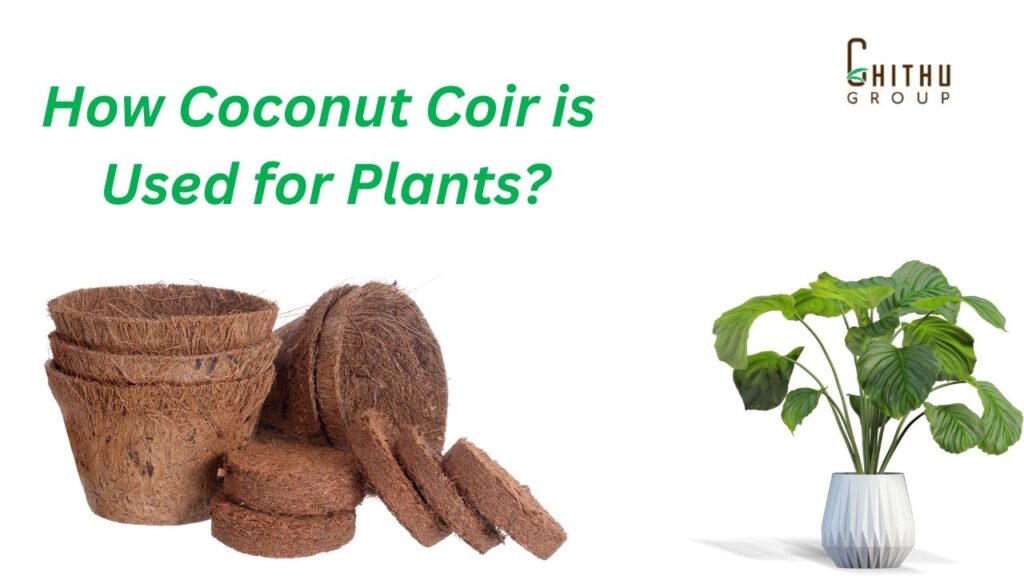
- Coconut Fiber and Coir Products
International buyers often prefer Indian suppliers because of their strong agricultural base, established export infrastructure, and adherence to international food safety requirements.
Understanding the Global Coconut Export Market
The global coconut export market continues to grow due to increasing demand for coconut-based food products, plant-based alternatives, natural oils, and sustainable raw materials. Consumers worldwide are becoming more health-conscious, driving the popularity of coconut water, virgin coconut oil, coconut milk, coconut flour, and other value-added products.
The market is also benefiting from the rapid expansion of vegan diets and functional food categories. Food manufacturers increasingly use coconut ingredients in dairy alternatives, nutritional supplements, snacks, and beverages.
Several factors are influencing global market growth:
- Rising Demand for Natural Food Ingredients
- Expansion of Plant-Based Product Industries
- Increased Consumption of Coconut Water
- Growing Cosmetic and Personal Care Applications
- Higher Demand for Sustainable Agricultural Products
Industry analysts project steady growth in coconut trade over the coming years, particularly in emerging economies and developed consumer markets where demand for tropical agricultural products continues to increase.
Major Coconut Exporting Countries
The global coconut industry is concentrated in tropical regions where climatic conditions support large-scale cultivation. Several countries dominate international exports and contribute significantly to global coconut supply.
Indonesia
Indonesia remains one of the largest coconut-producing nations globally. The country exports fresh coconuts, copra, coconut oil, desiccated coconut, and various processed coconut products to international markets.
Its extensive plantation network and export infrastructure make Indonesia a major supplier for global food and industrial sectors.
Philippines
The Philippines has long been recognized as a leading exporter of coconut products. The country is particularly known for exporting:
- Virgin Coconut Oil
- Desiccated Coconut
- Coconut Milk
- Coconut Water
- Coconut Flour
Its advanced processing capabilities allow exporters to serve high-value international markets efficiently.
India
India has emerged as a significant player in the global coconut trade. Indian exporters supply fresh coconuts and value-added coconut products to countries across the Middle East, Europe, Asia, and North America.
The country’s diverse agricultural ecosystem and expanding export capabilities continue to strengthen its position in international markets.
Sri Lanka
Sri Lanka specializes in premium coconut products, including organic coconut oil, coconut milk, coconut cream, and coconut-based health products. The nation has built a strong reputation for quality and sustainability.
Vietnam and Thailand
Both countries have expanded coconut cultivation and export operations significantly. They serve regional and international markets with fresh coconuts and processed coconut products.
Coconut Supply Chain Overview
A successful coconut supply chain involves multiple stages, from cultivation to final delivery. Efficient supply chain management plays a crucial role in maintaining product quality, reducing losses, and ensuring timely shipments.
The process begins with coconut farming, where growers cultivate and harvest mature coconuts according to market demand and quality standards. Once harvested, coconuts are transported to collection centers for sorting, grading, and quality inspection.
After grading, products move to processing facilities where they may be cleaned, de-husked, packaged, or converted into value-added products depending on buyer requirements. Export-ready products are then packed according to international standards and transported to ports for shipment.
A typical coconut supply chain includes:
- Cultivation and Harvesting
- Collection and Aggregation
- Sorting and Grading
- Processing and Packaging
- Export Documentation
- Shipping and Logistics
- International Distribution
Modern supply chains increasingly utilize digital tracking systems and quality management practices to improve transparency and efficiency throughout the export process.
Coconut Wholesale Trade: How the Market Works
The coconut wholesale market connects producers, exporters, distributors, processors, retailers, and industrial buyers. Wholesale transactions often involve large quantities, making consistency and supply reliability critical success factors.
Wholesale buyers generally source coconuts based on specific quality requirements, size specifications, moisture levels, and intended applications. Long-term contracts are common, especially among food manufacturers and import distributors seeking stable supply arrangements.
Successful coconut wholesalers focus on:
- Consistent Product Quality
- Reliable Shipment Schedules
- Competitive Pricing
- Compliance with Import Regulations
- Strong Supplier Relationships
Many global buyers prefer working directly with experienced coconut suppliers because it reduces sourcing risks and improves supply chain visibility. Direct supplier relationships also facilitate customized packaging, branding, and logistics solutions.
As global demand rises, wholesale trading platforms and B2B marketplaces are creating new opportunities for exporters and importers to connect more efficiently.
Import-Export Requirements for Coconut Trade
International coconut trade requires compliance with various regulatory and documentation requirements. Exporters must ensure that shipments meet destination-country standards and customs regulations.
Key export documents generally include:
- Commercial Invoice
- Packing List
- Certificate of Origin
- Phytosanitary Certificate
- Bill of Lading
- Export Declaration Forms
- Insurance Documentation
Food-grade coconut products may also require additional certifications depending on the target market. These certifications help demonstrate quality, safety, and compliance with international standards.
Common certifications include:
- HACCP
- ISO 22000
- Organic Certification
- FSSAI Compliance
- Global GAP
- Halal Certification
Importers should verify regulatory requirements before placing orders to avoid customs delays and compliance issues.
Emerging Market Opportunities in Coconut Export
The future of the coconut export industry looks highly promising due to expanding applications across multiple sectors. While traditional fresh coconut markets remain strong, value-added coconut products are creating substantial growth opportunities.
Food and beverage manufacturers continue to increase their use of coconut ingredients in dairy alternatives, nutritional products, bakery items, and functional beverages. At the same time, cosmetic companies are incorporating coconut-derived ingredients into skincare, haircare, and wellness products.
Several emerging opportunities include:
- Organic Coconut Exports
- Coconut Water Exports
- Virgin Coconut Oil Exports
- Plant-Based Food Ingredients
- Sustainable Packaging Materials
- Coconut Fiber and Coir Products
Businesses that invest in quality assurance, processing capabilities, and international certifications are well-positioned to capture growing demand in premium market segments.
How to Choose Reliable Coconut Suppliers
Selecting dependable coconut suppliers is essential for maintaining product quality and ensuring uninterrupted business operations. Buyers should evaluate suppliers based on production capacity, certifications, export experience, and logistics capabilities.
Important considerations include:
- Product Quality Standards
- Export Experience
- Supply Consistency
- Certifications and Compliance
- Packaging Capabilities
- Delivery Performance
- Customer References
Building long-term partnerships with reputable suppliers often leads to better pricing, stronger supply security, and improved business growth opportunities.
The global coconut export industry continues to expand as demand for natural, healthy, and sustainable products grows across international markets. Countries such as India, Indonesia, the Philippines, Sri Lanka, Thailand, and Vietnam are playing a critical role in supporting worldwide coconut supply.
For importers, distributors, and manufacturers, partnering with an experienced coconut exporter in India can provide access to high-quality products, reliable supply chains, and competitive pricing. As consumer demand shifts toward value-added coconut products and plant-based ingredients, businesses that understand market trends, regulatory requirements, and wholesale trade dynamics will be well-positioned to capitalize on emerging opportunities in the global coconut market.